

The Cimaruta: An Ancient Italian Talisman of Protection and Magic
The cimaruta, often translated as "sprig of rue," is a captivating folk amulet with deep roots in Italian tradition. Shaped like a branch of the rue plant—a herb long revered in Mediterranean folklore for its medicinal and magical properties—this charm has been used for centuries as a protective talisman.
Typically crafted from silver, the pendant features an array of symbolic elements sprouting from its branches, each designed to ward off misfortune, the evil eye (known as mal'occhio in Italian), and negative energies. While its design may vary by region, the cimaruta remains a symbol of resilience, fertility, and spiritual guardianship, blending pagan origins with later Christian influence.

A Rich History Rooted in Antiquity
The origins of the cimaruta trace back to ancient Italy, potentially as far as the Etruscan or Roman eras, where rue was associated with healing and protection. Historical accounts suggest it evolved from simple practices, such as holding a fresh sprig of rue to safeguard against harm, into a more elaborate metal charm by the medieval period. By the 19th century, it gained popularity in Southern Italy, particularly around Naples, where it was produced in various sizes and styles as a staple of folk magic.
Scholars like Frederick Thomas Elworthy, in his 1895 work The Evil Eye, documented the cimaruta as a Neapolitan amulet, noting its use in warding off jealousy and curses. Some researchers, including author Raven Grimassi, propose it as a remnant of pre-Christian witchcraft traditions, possibly linked to a "Society of Diana"—an alleged organization of Italian witches.
Over time, as Christianity spread through Italy, pagan symbols on the cimaruta were sometimes adapted or supplemented with Christian motifs, such as the sacred heart, to align with dominant religious practices. Despite these evolutions, its core purpose as a protective device has endured, making it a bridge between ancient paganism and modern folk customs.
Cultural Connections: From Pagan Italy to Global Diaspora
The cimaruta is intrinsically tied to Italian culture, especially in the southern regions like Campania and Sicily, where folk magic and superstition have long thrived. It draws from the ancient Roman veneration of herbs like rue, sacred to the goddess Diana (Artemis in Greek mythology), who presided over the moon, hunting, and childbirth. Some trace its roots even further to Etruscan influences, predating Roman dominance, where similar amulets may have been used in rituals.
Beyond Italy, the cimaruta has found resonance in Italian-American communities and among practitioners of Stregheria, a modern neopagan tradition inspired by Italian witchcraft as described in Charles Leland's 1899 book Aradia, or the Gospel of the Witches. It's also adopted by those in broader pagan or Wiccan circles who appreciate its protective qualities, though its authentic cultural hearth remains Southern Italian folklore. In these contexts, it's seen not just as a charm but as a symbol of heritage, connecting wearers to ancestral practices of resilience against adversity.
The Symbols: A Tapestry of Meaning
At the heart of the cimaruta's power are its intricate symbols, each "branch" of the rue sprouting elements that carry specific protective or auspicious meanings. The design is often double-sided and can span up to four inches wide, making it a visually striking piece. Common symbols include:
-
Crescent Moon: Represents Diana, the lunar goddess, symbolizing feminine power, intuition, and cycles of growth. It's a nod to protection during vulnerable times like childbirth.
-
Key: Associated with Hecate, the goddess of crossroads and magic, it unlocks doors to knowledge and wards off locked-in negativity or curses.
-
Serpent: Linked to Proserpina (Persephone), it embodies renewal, wisdom, and the life force, while also deterring evil through its vigilant nature.
-
Hand (often in a figa gesture): A protective fist that repels the evil eye, with roots in ancient fertility symbols.
-
Heart (flaming or sacred): Signifies passion, love, and divine light to illuminate darkness; later versions incorporate Christian connotations.
-
Rooster or Eagle: Watchful guardians; the rooster crows at dawn to dispel night spirits, while the eagle spots danger from afar.
-
Flower (vervain or rose): Vervain, a magical herb, invokes fairy lore and protection; roses add beauty and thorny defense.
-
Fish or Dolphin: Tied to Diana's watery aspects, symbolizing safe passage and abundance.
-
Owl or Helmet: The owl flirts with wisdom and the underworld, while a plumed helmet denotes strength in battle against evil.
These elements combine to create a multifaceted shield, with variations reflecting regional or personal preferences.
Why Women Wear the Cimaruta
Women have historically been the primary wearers of the cimaruta, often donning it as a necklace for personal protection or hanging it over an infant's bed to safeguard the vulnerable. Its association with goddesses like Diana, Hecate, and Proserpina—figures of femininity, fertility, and empowerment—makes it particularly resonant for women seeking to harness these energies. In Italian folklore, rue was believed to aid in childbirth and protect against envy, which could manifest as the evil eye targeting mothers or children.
Beyond physical safety, wearing a cimaruta empowers spiritual and emotional well-
Shop Related Pieces
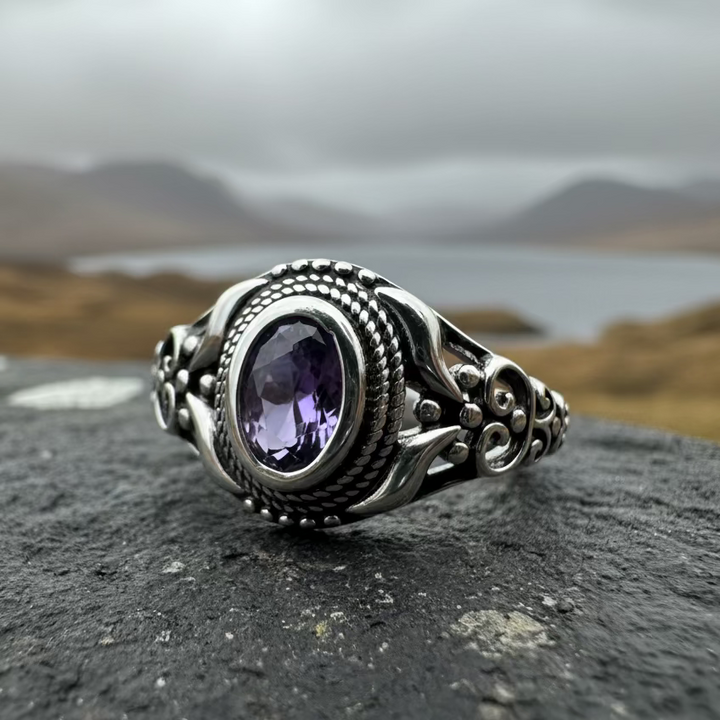
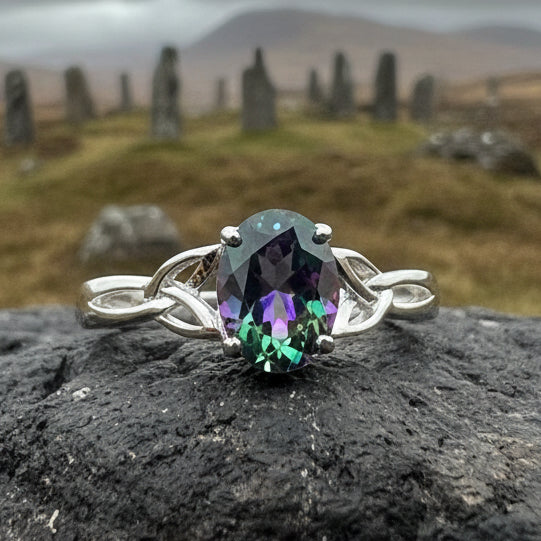
Scottish Twilight Celtic Ring in Sterling Silver
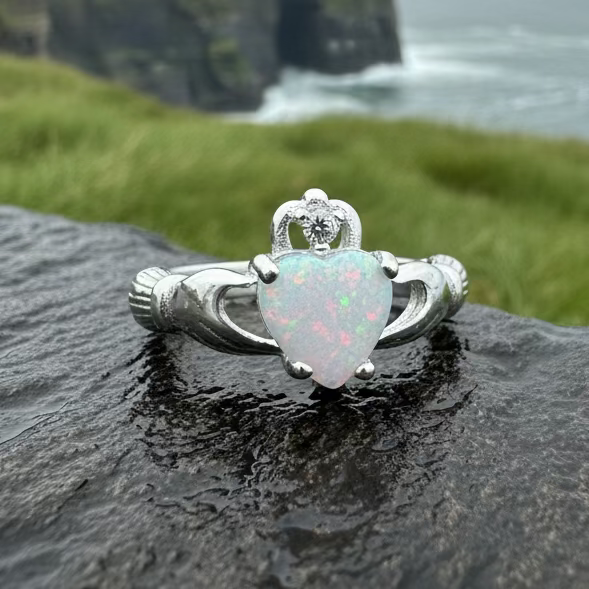
White Fire Opal Irish Claddagh Ring in Sterling Silver
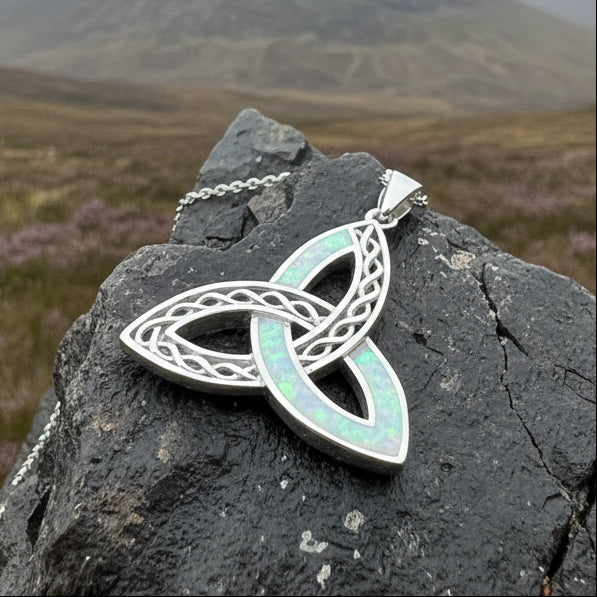
Fire Opal Celtic Knot Necklace in Sterling Silver
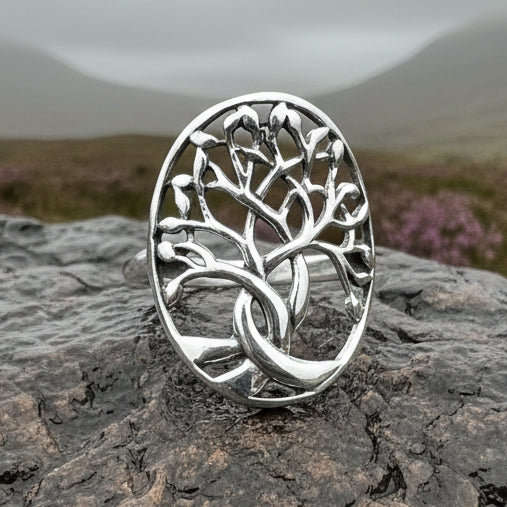
Rona Celtic Tree of Life Ring in Sterling Silver
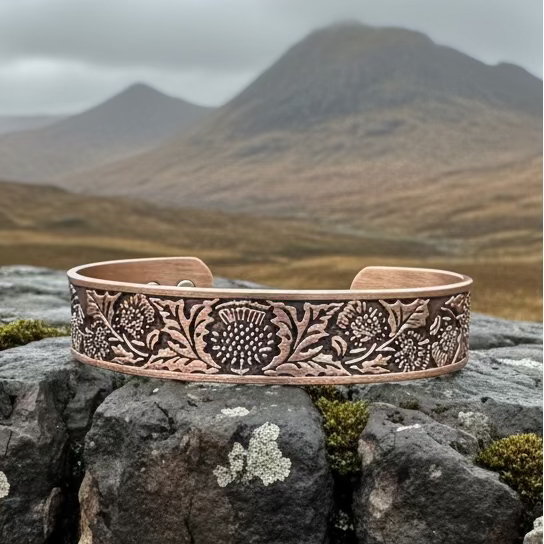
Scottish Thistle Copper Cuff Bracelet

Irish Saint Brigid Cross Necklace - Handmade in Ireland
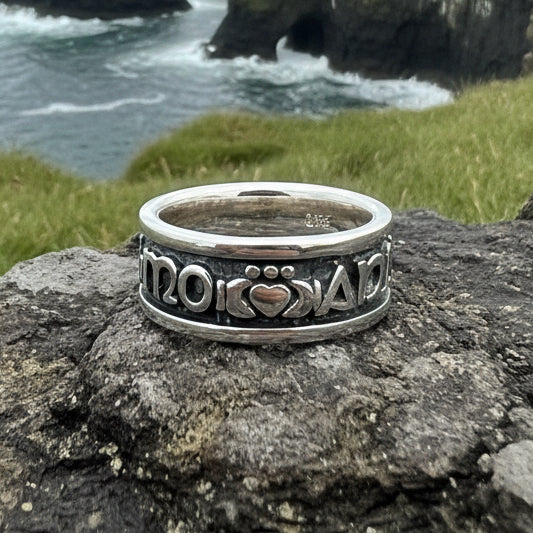
Irish Gaelic Soulmate Ring in Sterling Silver
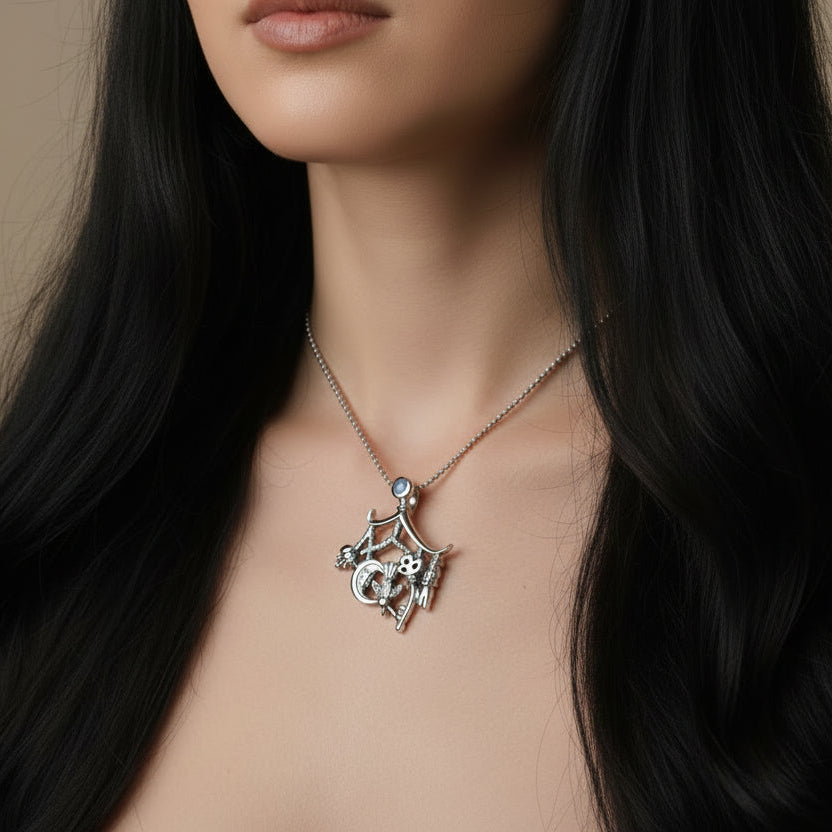
Today, the cimaruta lives on through contemporary jewelers who blend tradition with accessible designs. Celtic Crystal Designs, a company specializing in sterling silver jewelry inspired by global folklore (despite the "Celtic" name, they draw from various cultures including Italian), offers a range of cimaruta pendants that honor this heritage. Their pieces are crafted in solid 925 sterling silver, often double-sided for added depth, and come with an 18-inch chain for easy wear.
Notable offerings include:
-
Legendary Italian Cimaruta Pendant: A classic design featuring the rue sprig with symbols like the moon, key, and serpent, evoking the charm's protective essence.
-
Heart Italian Cimaruta Pendant: Emphasizes the flaming heart symbol for love and illumination, ideal for those seeking emotional guardianship.
-
Crescent Moon Italian Cimaruta Pendant: Highlights lunar motifs, perfect for connecting with Diana's energy and feminine cycles.
These pendants make the ancient talisman available to a new generation, whether for spiritual practice, cultural connection, or simply as a beautiful accessory. Available on their website (celticcrystaldesign.com), they start around $59.99, blending affordability with authentic symbolism.
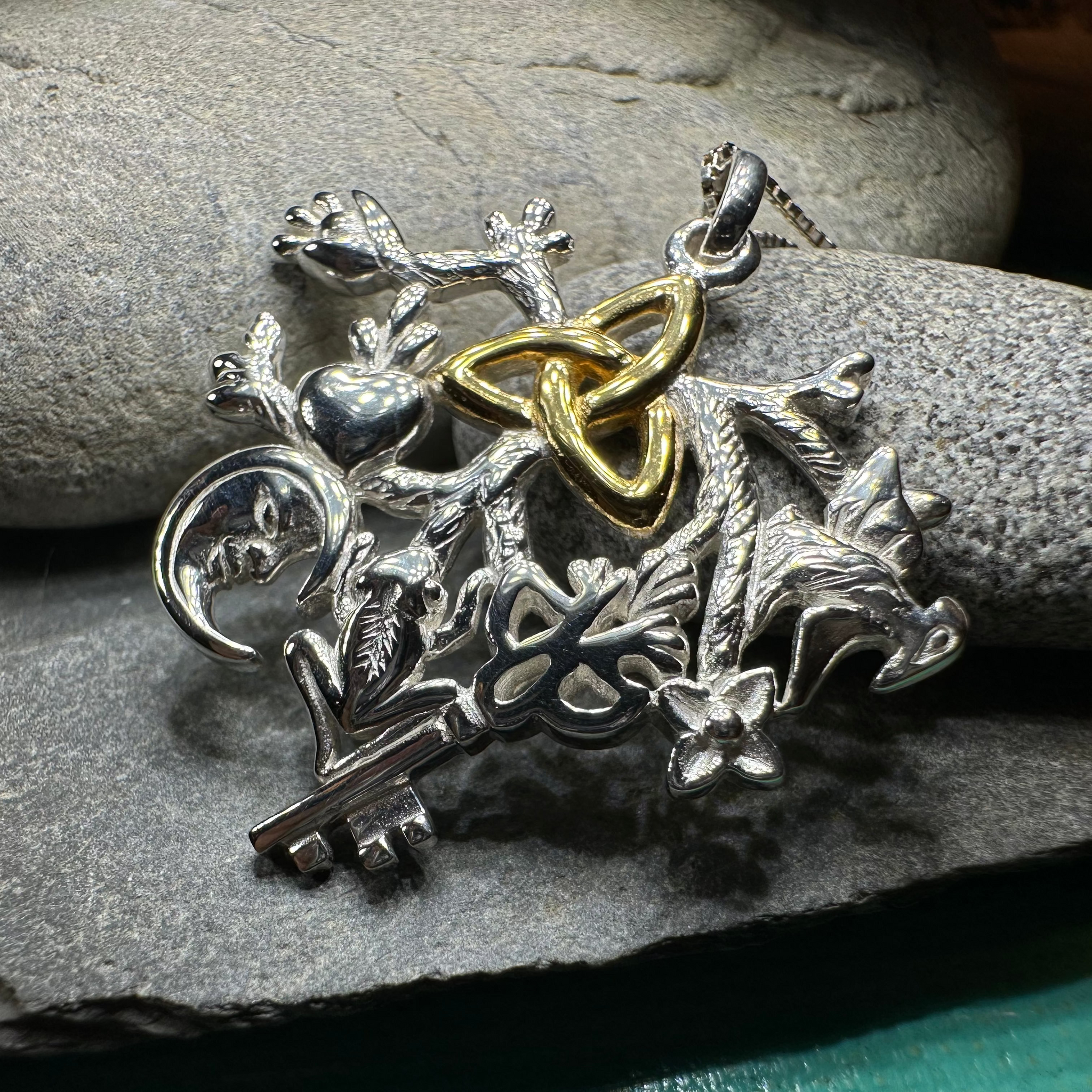
In an era where ancient traditions meet modern life, the cimaruta endures as a reminder of humanity's timeless quest for protection and meaning. Whether worn for its historical depth or its aesthetic appeal, it continues to cast its spell across cultures and generations.
Authoritative Sources and Further Reading
For those interested in exploring the cimaruta's historical and cultural significance in greater depth, the following scholarly and reputable sources provide comprehensive insights:
-
Frederick Thomas Elworthy's The Evil Eye (1895): A foundational text documenting Mediterranean amulets, including the cimaruta, with detailed ethnographic observations.
-
Raven Grimassi's works on Italian Witchcraft and Stregheria: Offering perspectives on the cimaruta's place within pre-Christian and neopagan traditions.
-
Italian Sons and Daughters of America - The Good Charm of the Cimaruta: A culturally grounded article exploring the charm's role in Italian-American heritage.
-
Danse Macabre Designs - Cimaruta: A detailed artistic and symbolic analysis of the cimaruta's design elements.
-
Charles Leland's Aradia, or the Gospel of the Witches (1899): A seminal work on Italian witchcraft traditions that contextualizes the cimaruta within broader folk magic practices.
These sources are widely respected in the fields of folklore, anthropology, and neopagan studies, providing a solid foundation for understanding the cimaruta's enduring legacy.
Key Takeaways
- This article explores the rich symbolism and history behind the cimaruta: an ancient italian talisman of protection and magic.
- Discover handcrafted Celtic jewelry pieces that bring these ancient traditions to life.
- Browse our collection to find a meaningful piece that connects you to Celtic heritage.

