

The Shaggy Coo: Scotland’s Famous Highland Cow

Have you ever seen a cow with long, shaggy hair that looks like it’s wearing a fluffy blanket? That’s the Highland cow! People in Scotland call it the “shaggy coo.” These cute animals are famous all over the world. Kids and grown-ups love them for their big horns, soft fur, and friendly faces. In this article, we’ll learn about the Highland cow, its history, and why some people wear special jewelry to show they love Scotland.
What Makes Highland Cows Special?
Highland cows come from the rugged mountains and islands of Scotland. Their thick, wavy coats keep them warm in cold, rainy weather. The fur can be red, black, yellow, or even white. Under that long hair is a shorter, softer layer that acts like a warm jacket.
Both boy cows (bulls) and girl cows (heifers and cows) have big horns. The horns curve out like handlebars on a bike. Highland cows are strong but gentle. Farmers say they are easy to take care of because they eat grass, heather, and plants that grow wild in the hills.
Today, you can find Highland cows in many countries, like the United States, Canada, and Australia. People raise them for meat, milk, and just for fun on small farms.

The History of the Shaggy Coo
Highland cows have been in Scotland for hundreds of years—maybe even thousands! Long ago, people in the Scottish Highlands needed animals that could live in tough places. The land is rocky, the wind is strong, and winters are freezing. Regular cows from warmer areas would get sick or cold. But the Highland cow was perfect.
Old stories say these cows helped clans (big family groups) survive. Farmers moved them from valley to valley to find food. The cows gave milk, and their thick hides made warm clothes and shoes.
In the 1800s, rich landowners started big farms. They liked how pretty Highland cows looked. Queen Victoria, who ruled Britain back then, even had some on her land in Balmoral, Scotland. She helped make them famous!
By the 1900s, fewer people needed cows for hard work because machines took over farms. Some worried the breed might disappear. In 1884, fans started the Highland Cattle Society to protect them. Thanks to that group, Highland cows are still around today—and more popular than ever!

Why People Wear Highland Cow Jewelry
Lots of people love Scotland’s symbols: bagpipes, kilts, thistles, and the shaggy coo. One fun way to show that love is by wearing Highland cow jewelry made of sterling silver.
Sterling silver is a shiny metal that lasts a long time. It’s 92.5% pure silver mixed with a little strong metal to make it tougher. Jewelers shape it into tiny cow charms, earrings, necklaces, and rings. Some have curly horns and fluffy hair etched in. Others have cute faces with big eyes.
People wear Scottish jewelry for many reasons:
- To remember a trip: Tourists who visit Scotland buy a silver coo charm to keep the happy memories.
- To feel connected to family: Scottish-Americans wear it to honor their roots.
- Just because it’s cute: Kids and teens think shaggy coo earrings are adorable!
You can find this jewelry in gift shops in Edinburgh or online. Some pieces cost $20, and fancier ones cost more. It’s a small way to carry a big piece of Scotland with you every day.
Shop Related Pieces
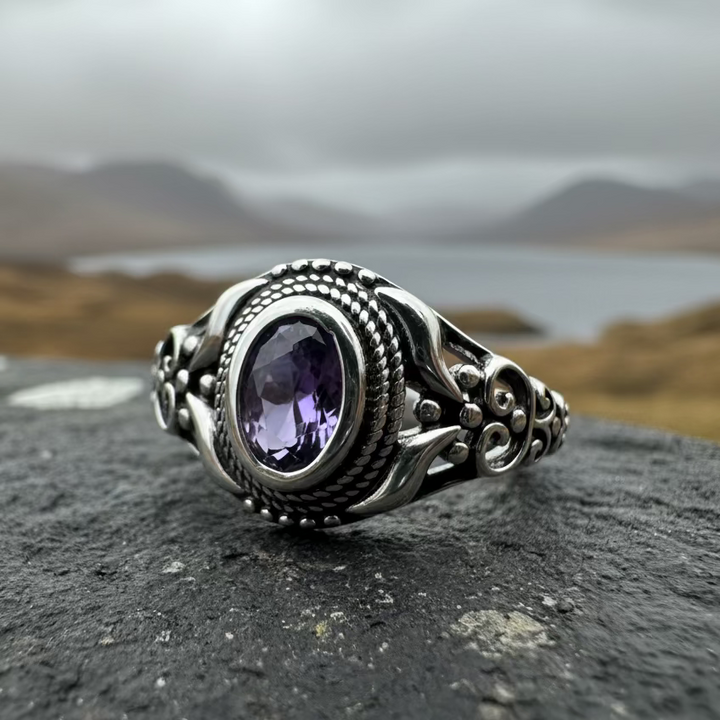
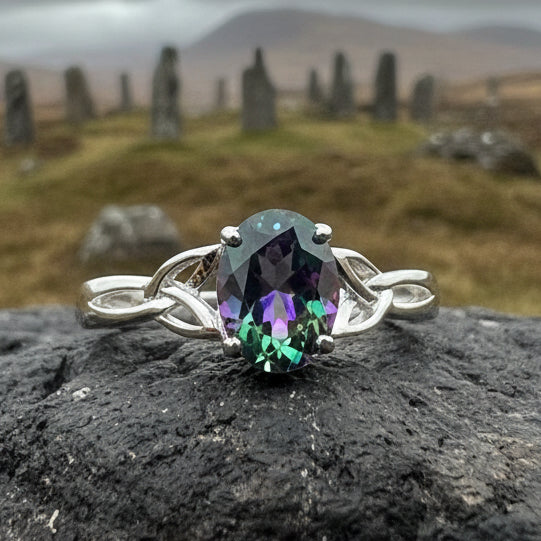
Scottish Twilight Celtic Ring in Sterling Silver
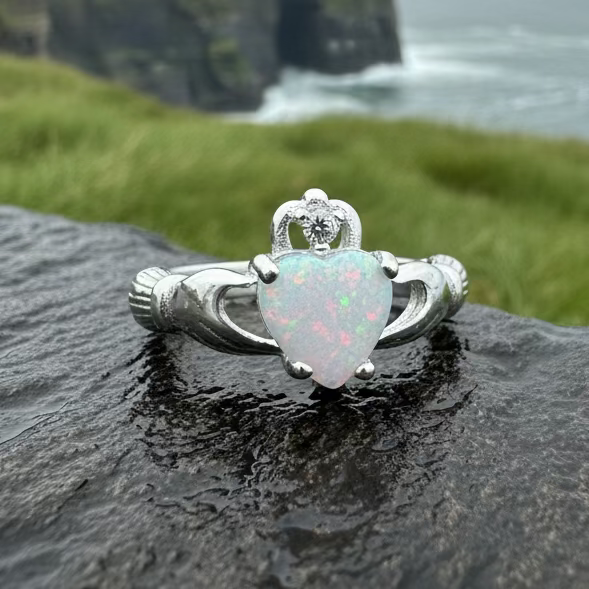
White Fire Opal Irish Claddagh Ring in Sterling Silver
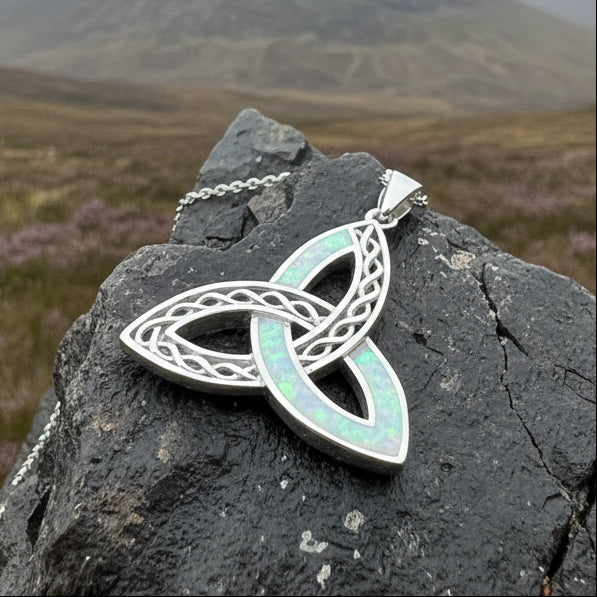
Fire Opal Celtic Knot Necklace in Sterling Silver
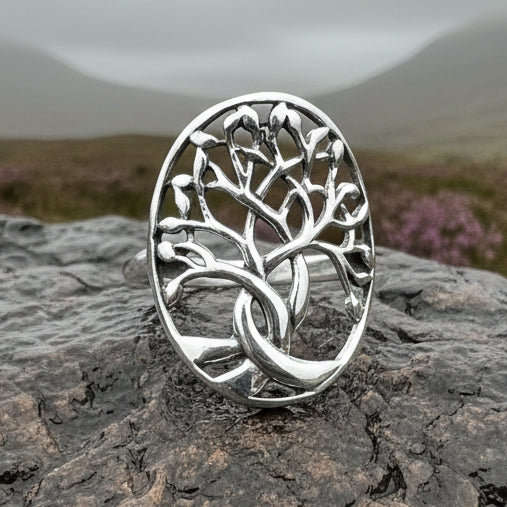
Rona Celtic Tree of Life Ring in Sterling Silver
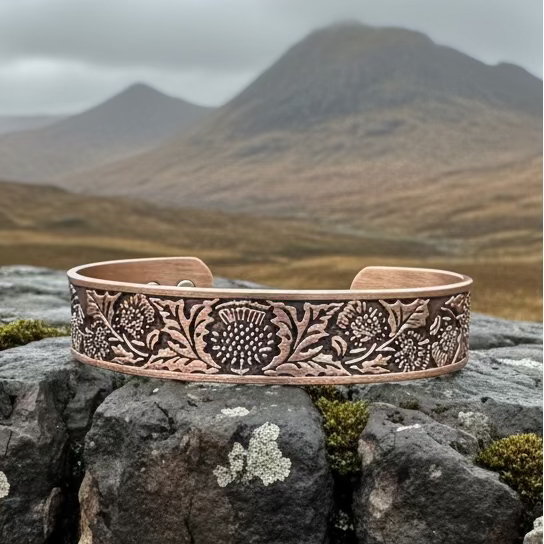
Scottish Thistle Copper Cuff Bracelet

Irish Saint Brigid Cross Necklace - Handmade in Ireland
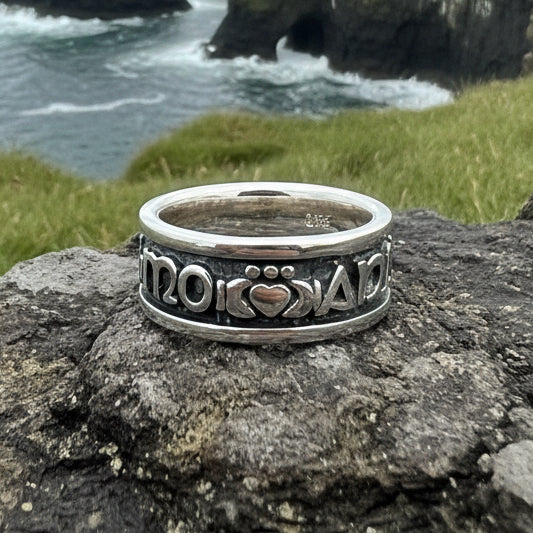
Irish Gaelic Soulmate Ring in Sterling Silver
Fun Facts About Highland Cows
- A baby Highland cow is called a calf. Calves are born with fluffy hair already!
- Their long bangs (called a “dossan”) keep rain out of their eyes.
- Highland cows can live up to 20 years—longer than many other cows.
- In Scotland, you might see them on postcards, mugs, and even fuzzy toys.
Key Takeaways
- This article explores the rich symbolism and history behind the shaggy coo: scotland’s famous highland cow.
- Discover handcrafted Celtic jewelry pieces that bring these ancient traditions to life.
- Browse our collection to find a meaningful piece that connects you to Celtic heritage.
Conclusion
The Highland cow, or shaggy coo, is more than just a farm animal. It’s a tough survivor from Scotland’s wild hills with a history that goes back centuries. From helping ancient clans to posing for selfies today, these cows win hearts everywhere. Wearing sterling silver Highland cow jewelry is a shiny, fun way to say, “I love Scotland!” Next time you see a picture of a fluffy cow with horns, you’ll know its cool story.

