
The Ultimate Guide to Irish Symbols: History, Meaning, and Heritage in Jewelry
Culture
Irish culture is rich with symbolism, woven from centuries of myth, faith, and tradition. Scholars such as Miranda Green in The Celtic World and Dáithí Ó hÓgáin in The Lore of Ireland have documented how these symbols evolved from ancient belief systems into enduring cultural emblems. From ancient carvings etched into stone to finely crafted jewelry made in Ireland worn today, Irish symbols continue to tell stories of identity, spirituality, and connection.
These enduring motifs—whether worn as pendants, brooches, earrings, or cuff links—carry deep meaning and often become treasured heirlooms, passed down through generations to celebrate family heritage and life’s most meaningful moments.
This guide explores some of the most iconic Irish symbols, their origins, and how they continue to inspire timeless jewelry and gift-giving traditions.

The Harp: A National Emblem of Ireland
The harp is perhaps the most recognizable symbol of Ireland. Dating back to medieval times, it was associated with kings and high-status individuals, as harpists were highly respected musicians and storytellers. Historical records, including those from the Annals of the Four Masters, highlight the importance of harpists in Gaelic society. The harp came to symbolize not only music and artistic expression but also national Irish identity and resilience, eventually becoming the official emblem of Ireland as noted by the Irish government.
Today, harp jewelry represents pride in Irish heritage. When featured in jewelry, it evokes a sense of tradition and cultural continuity. A Celtic harp pendant or brooch makes a meaningful gift, especially for those who cherish their Irish roots or artistic spirit.

The Newgrange Spiral: Ancient Wisdom and Eternity
The spiral motif found at Newgrange—an ancient passage tomb built over 5,000 years ago—is one of Ireland’s oldest symbols. Archaeological studies by the National Monuments Service and UNESCO World Heritage documentation confirm the significance of these carvings. The triple spiral, in particular, is believed to represent cycles: life, death, and rebirth; past, present, and future; or earth, sea, and sky.
This Celtic spiral symbol speaks to the eternal nature of existence and the interconnectedness of all things. Irish jewelry featuring the Newgrange spiral often appeals to those who value spirituality, personal growth, and the mysteries of ancient wisdom.

The Shamrock: Faith and Identity
The shamrock is deeply tied to Irish identity and Christian tradition. According to legend recorded in early Christian writings and later folklore collections, it was used by St. Patrick to explain the concept of the Holy Trinity—Father, Son, and Holy Spirit—using its three leaves.
Beyond its religious symbolism, shamrock jewelry has come to represent luck, hope, and Irish pride. The National Museum of Ireland notes its widespread use as a symbol of Irish nationalism in the 18th century. It is especially popular in Irish jewelry given on St. Patrick’s Day, making it a timeless and meaningful Irish gift that celebrates both faith and cultural heritage.

The Rabbit: Luck and Fertility
Though less commonly discussed, the rabbit holds symbolic meaning in Irish folklore. Folklorists such as W.B. Yeats and Lady Gregory documented beliefs that rabbits were connected to the supernatural and often associated with fertility, abundance, and good fortune.
In Irish jewelry, the rabbit symbol can represent new beginnings and prosperity, making it a thoughtful gift for milestones such as weddings or the birth of a child.

The Penal Cross: Faith in Adversity
The Penal Cross is a powerful symbol of resilience and devotion. During the Penal Laws of the 17th and 18th centuries, Irish Catholics were forbidden from practicing their faith openly. Historical accounts from the Irish Catholic Church archives describe how these crosses were carved into stones or hidden in homes as a discreet means of worship.
This symbol represents courage, perseverance, and unwavering belief. Wearing a Penal Cross as jewelry serves as a reminder of strength in the face of hardship and the enduring nature of faith.

The Claddagh: Love, Loyalty, and Friendship
The Claddagh is one of Ireland’s most beloved symbols. Originating in the fishing village of Claddagh in Galway in the 17th century, its history is well documented in Irish cultural studies and museum collections. Featuring two hands holding a heart topped with a crown, it represents friendship (hands), love (heart), and loyalty (crown). Often given to a loved one, the Claddagh has become the traditional Irish promise ring.
Traditionally used as an Irish promise ring, the Claddagh design is also popular in pendants and earrings. It is often given as a token of affection, making it a perfect gift for weddings, anniversaries, or romantic milestones. Its meaning transcends time, making it a cherished piece that can be passed down through generations.
Featured products
Shop Related Pieces

Irish Saint Brigid Cross Necklace - Handmade in Ireland
- Regular price
- $140.00
- Sale price
- $140.00
- Regular price
-
$155.00 - Unit price
- per
Sold out
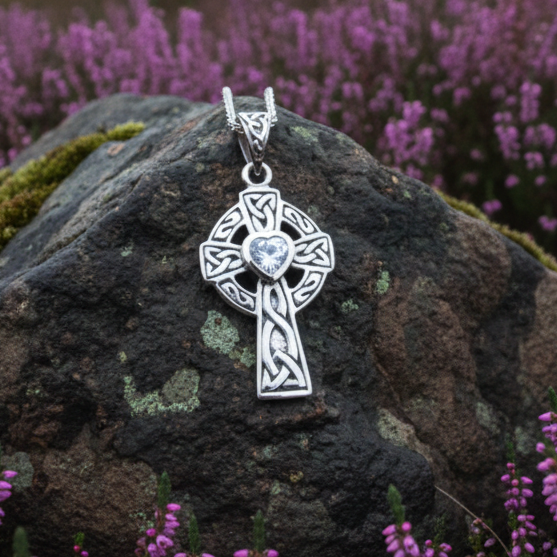
Celtic Cross Heart Necklace
- Regular price
- $88.00
- Sale price
- $88.00
- Regular price
-
$98.00 - Unit price
- per
Sold out
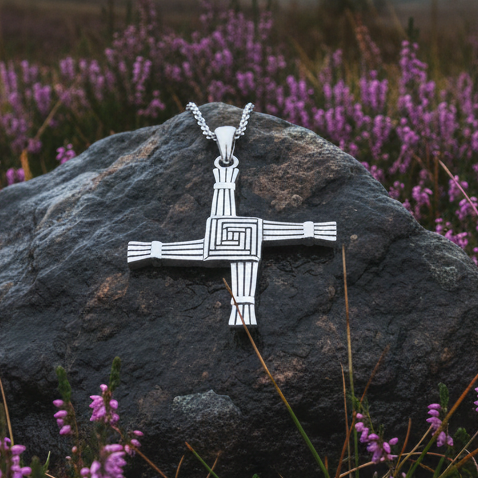
Large Irish Saint Brigid’s Cross Necklace
- Regular price
- $98.00
- Sale price
- $98.00
- Regular price
-
$115.00 - Unit price
- per
Sold out
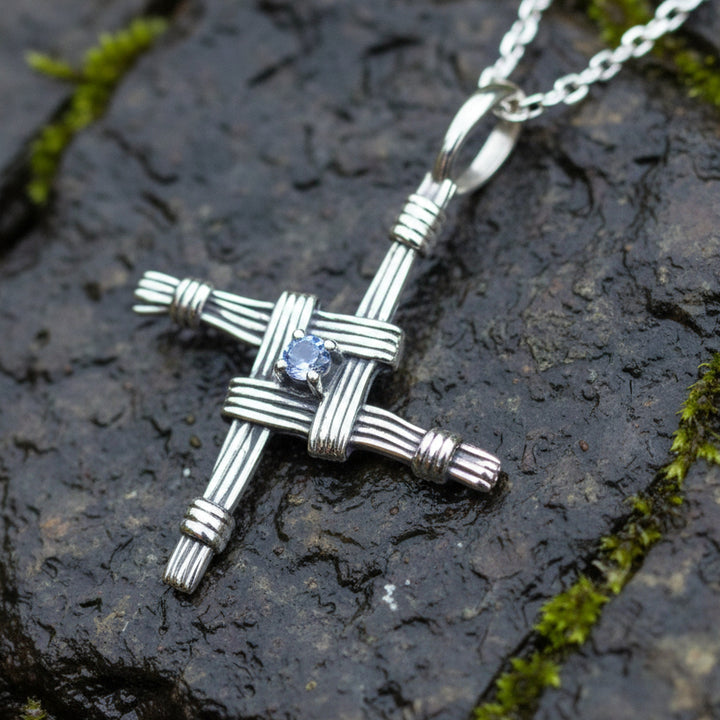
Springtime Irish Saint Brigid's Cross Necklace in Sterling Silver
- Regular price
- $90.00
- Sale price
- $90.00
- Regular price
-
$98.00 - Unit price
- per
Sold out
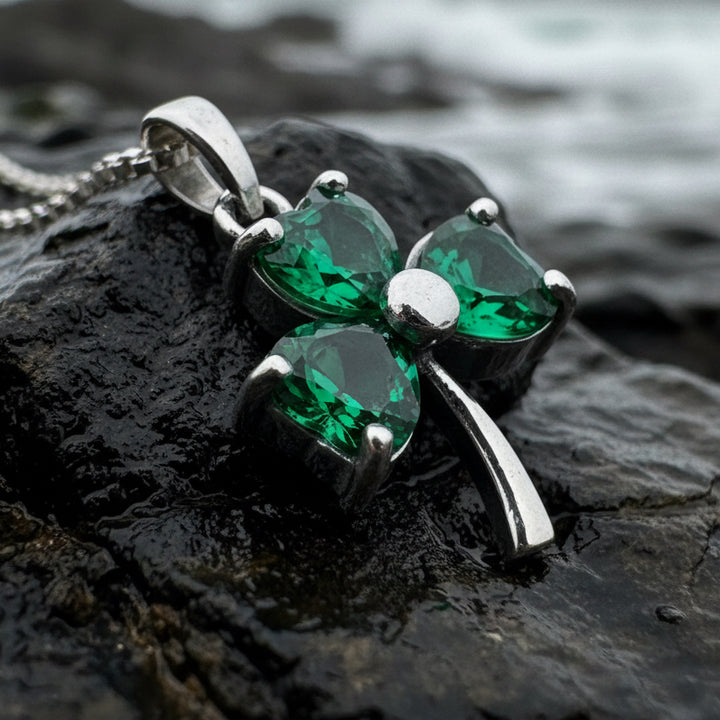
Emerald Irish Shamrock Necklace in Sterling Silver
- Regular price
- $70.00
- Sale price
- $70.00
- Regular price
-
$78.00 - Unit price
- per
Sold out
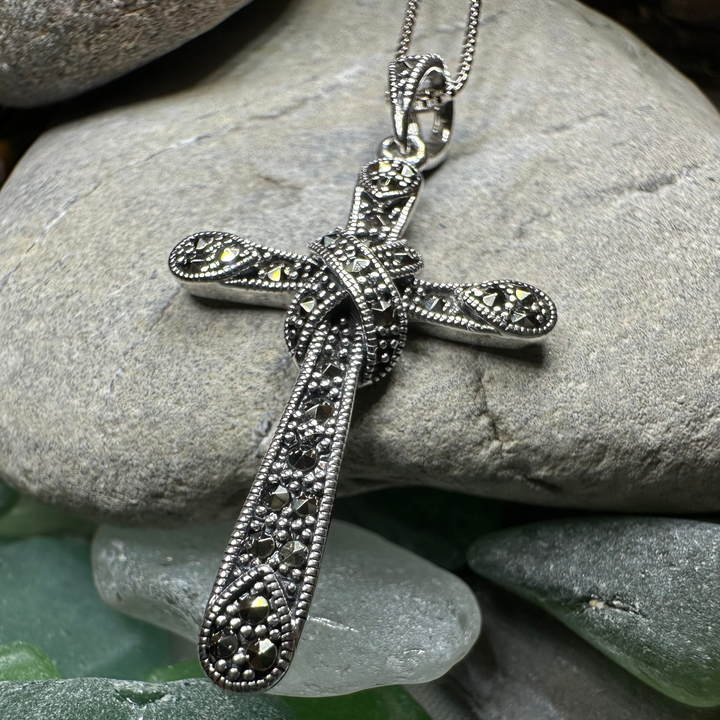
Brenna Marcasite Cross Necklace
- Regular price
- $135.00
- Sale price
- $135.00
- Regular price
-
$140.00 - Unit price
- per
Sold out
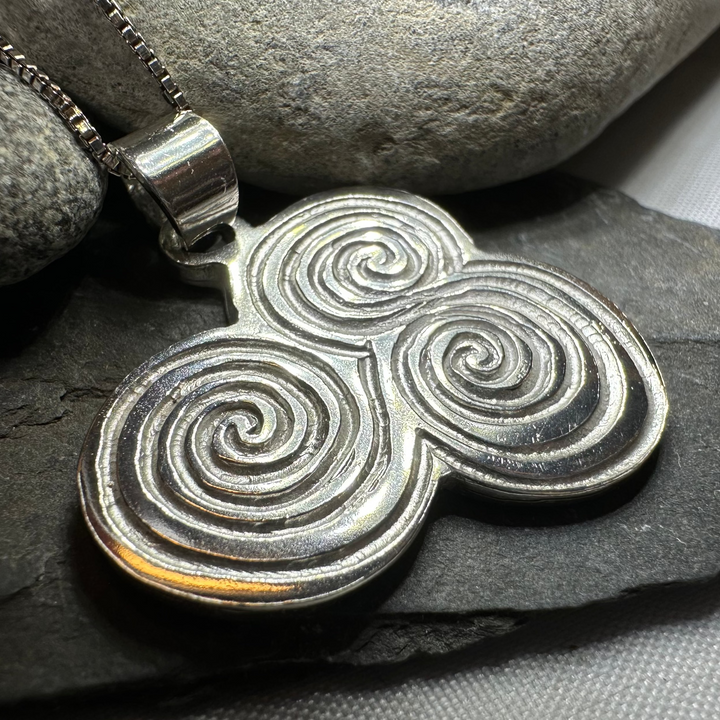
Artisan Newgrange Triple Spiral Necklace - Made in Ireland
- Regular price
- $250.00
- Sale price
- $250.00
- Regular price
-
$300.00 - Unit price
- per
Sold out
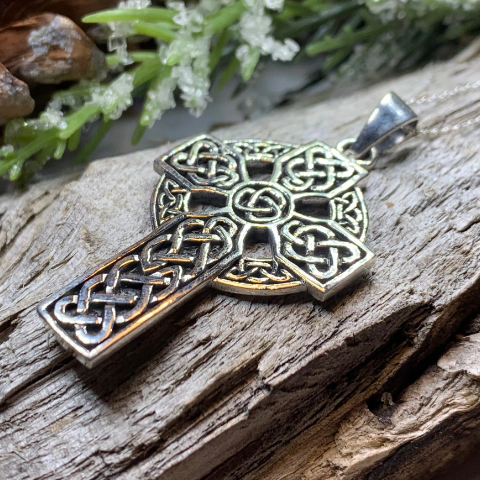
Traditional Celtic Cross Necklace
- Regular price
- $130.00
- Sale price
- $130.00
- Regular price
-
$140.00 - Unit price
- per
Sold out

The Fiddle: Joy and Cultural Expression
Music is central to Irish culture, and the fiddle is one of its most iconic instruments. Ethnomusicologists such as Fintan Vallely in The Companion to Irish Traditional Music emphasize its importance in preserving oral tradition and community identity.
Symbolizing joy, celebration, and storytelling, fiddle jewelry represents the lively spirit of Irish gatherings and traditions. Jewelry featuring the fiddle is a tribute to this musical heritage and is an ideal gift for musicians or anyone who appreciates Ireland’s artistic traditions.

The Tree of Life: Connection and Balance
The Celtic Tree of Life jewelry symbolizes the connection between heaven, earth, and the underworld. Ancient Celtic belief systems, as explored in archaeological and mythological studies, viewed trees—especially the oak—as sacred and central to life.
Its roots and branches intertwine, representing balance, harmony, and the cyclical nature of life. This symbol is often associated with family and ancestry, making tree of life jewelry especially meaningful in Irish heirloom jewelry.

Celtic Knots: Eternity and Interconnection
Celtic knots are intricate designs with no beginning or end, symbolizing eternity and the interconnectedness of life. Art historians note their prominence in early medieval manuscripts such as the Book of Kells, where these patterns were used to convey spiritual continuity.
- Dara Knot
- Four Corner Knot, also called the Quarternary Knot
- Trinity Knot
Among the most popular are the four-corner knot and the Dara knot. The Four-Corner Knot is often associated with protection and stability, representing the four directions or elements. The Dara Knot, inspired by the roots of the oak tree, symbolizes strength, wisdom, and endurance.
Another significant design is the Trinity Knot, also known as the Triquetra. This knot features three interlaced loops with no beginning or end, symbolizing the Holy Trinity in Christian tradition—Father, Son, and Holy Spirit—as well as the interconnectedness of mind, body, and spirit in Celtic spirituality. The Trinity Knot is a powerful emblem of unity and eternal life, making it a popular motif in Irish jewelry that honors both faith and Celtic heritage.
In addition to Celtic knot jewelry itself, different animals created from intricate Celtic knotwork jewelry designs can be seen dating back to the Book of Kells. Popular animals depicted in Celtic knotwork are dogs, birds, fish and other fantastical beasts. Wearing one of these animals as a brooch or pendant was believed to convey that animal's strength onto the wearer.
These timeless designs are widely used in Irish jewelry, offering both aesthetic beauty and profound meaning.

Ogham Writing: Ireland’s Ancient Alphabet and a Unique Gift Language
Ogham is an ancient Irish alphabet dating back to the early medieval period, used primarily from the 4th to the 7th centuries. It consists of a series of linear strokes or notches carved along the edges of stones, wood, or other materials. Often referred to as the "Celtic Tree Alphabet," ogham jewelry is deeply connected to Ireland’s early history and linguistic heritage.
Historically, ogham inscriptions were used to mark land boundaries, commemorate individuals, and convey messages. The script is closely linked to the natural world, with many ogham characters named after trees and plants, reflecting the Celtic reverence for nature.
Today, ogham writing holds a special place in Irish culture and is increasingly popular in jewelry and gifts. Using ogham to inscribe names, dates, or meaningful words creates a deeply personal and historically rich connection to Ireland’s past. It offers a unique way to celebrate heritage, making gifts crafted with ogham inscriptions not only beautiful but also profoundly meaningful.
Jewelry featuring ogham script—whether on pendants, rings, or bracelets—serves as a wearable link to Ireland’s ancient language and traditions. It is an ideal choice for those seeking a distinctive and authentic expression of Irish identity and history.

Irish Turf: A Scented Symbol of Ireland's Warmth
Irish turf, or peat, has been a vital part of Ireland’s landscape and culture for centuries. Traditionally harvested from bogs, turf was used as a primary source of fuel for heating and cooking in Irish homes, especially in rural areas. The distinctive, earthy aroma of burning turf is deeply evocative, carrying with it memories of hearth and home, community gatherings, and the rugged Irish countryside.
The smell of burning turf is more than just a scent; it is a sensory link to Ireland’s past and a symbol of resilience and simplicity. For many, it conjures feelings of warmth, comfort, and a profound connection to the land and its people.
Gifting a turf burner or ornament carved from turf accompanied by authentic Irish turf is a meaningful way to honor this heritage. Such a gift not only celebrates traditional Irish life but also offers a tangible experience of Ireland’s natural and cultural history. It serves as a unique symbol of Irish identity, evoking nostalgia and pride for those who cherish their roots or wish to connect with Ireland’s enduring spirit.

Jewelry as a Celebration of Heritage
Irish symbols take on even greater significance when incorporated into jewelry. Whether crafted into pendants, brooches, earrings, or cuff links, these pieces become wearable expressions of identity and tradition.
Such jewelry often becomes a family heirloom, passed from one generation to the next. Cultural historians emphasize the importance of heirlooms in preserving identity, especially within diaspora communities. Given for weddings, birthdays, or anniversaries, these pieces carry not only symbolic meaning but also personal stories and memories.

St. Brigid’s Day and the Gift of the Cross
St. Brigid’s Day, celebrated on February 1st, marks the beginning of spring in Ireland. According to Irish folklore archives and the National Folklore Collection at University College Dublin, one of its most enduring traditions is the creation and gifting of St. Brigid’s Cross, woven from rushes and believed to offer protection and blessings for the home.
Giving a St. Brigid’s Cross—whether traditional or crafted in jewelry form—is a meaningful gesture that honors Irish heritage and spiritual tradition.

St. Patrick’s Day and Timeless Gifts
St. Patrick’s Day is a global celebration of Irish culture, recognized worldwide and documented by cultural institutions such as the Smithsonian. Gifting jewelry made in Ireland featuring Irish symbols is a popular tradition.
A piece of Irish jewelry crafted in sterling silver adds an extra layer of significance, as silver is a precious metal known for its beauty and durability. Sterling silver Irish jewelry featuring symbols like the shamrock, harp, or Claddagh offers a timeless way to celebrate the occasion.
From Ireland to America: A Cultural Legacy
Irish symbols have traveled far beyond the shores of Ireland. During the 19th and early 20th centuries, Irish immigrants brought their traditions, stories, and symbols to the United States. Historians such as Kerby Miller in Emigrants and Exiles detail how these cultural markers helped maintain identity in a new land.
These symbols became a way to preserve identity and maintain a connection to home. Today, they continue to be celebrated across generations, especially in Irish-American communities.
Materials That Tell a Story: Sterling Silver and Connemara Marble
The materials used in Celtic jewelry are as meaningful as the symbols themselves. Sterling silver is prized for its strength, luster, and timeless appeal, widely recognized in jewelry craftsmanship standards.
Connemara marble, found only in Ireland and documented by the Geological Survey of Ireland, adds a unique and authentic touch. With its rich green hues and natural patterns, it embodies the landscape and spirit of Ireland. Connemara marble jewelry is a perfect representation of the beauty of Ireland.

Craftsmanship and Tradition
When choosing Celtic jewelry, craftsmanship matters. Skilled artisans bring these ancient symbols to life with precision and care, ensuring that each piece reflects both tradition and quality.
CelticCrystalDesign.com exemplifies this dedication to artistry. With expertise in creating high-quality Celtic jewelry, they offer a range of artisan pieces that honor Irish heritage while meeting modern standards of design and durability.
Key takeaways
- Irish symbols like the Harp, Shamrock, Claddagh, and Celtic knots make gifts more personal and story-rich.
- Choosing handcrafted pieces in sterling silver or Connemara marble adds authentic connection to Irish heritage.
- Match the symbol to the moment: Claddagh for love, St. Brigid's Cross for blessings, and Ogham for personalized milestones.
A Legacy in Every Piece
Whether given as a wedding gift, a birthday present, or a token of appreciation, jewelry featuring these symbols becomes part of a larger narrative. It connects the wearer of Irish jewelry to their roots, their beliefs, and their loved ones.
In a world that is constantly changing, these Irish symbols remain steadfast, offering a sense of continuity and belonging. When Irish jewelry is crafted in sterling silver or adorned with Connemara marble, it becomes not just an accessory, but a lasting treasure—an heirloom that carries the spirit of Ireland into the future.
By embracing Irish symbols in jewelry, we celebrate a heritage that is both deeply personal and universally meaningful. Each Irish jewelry piece tells a story—and that story is meant to be shared, cherished, and passed on.

