The Welsh Dragon: A Fiery Symbol of Pride and History
Imagine a bright red dragon flying on a green and white flag. That’s the national flag of Wales, and the dragon on it is one of the coolest and oldest symbols in the world. If you’ve ever wondered why Wales has a dragon (and not a lion or an eagle like many other countries), get ready for an awesome story that goes back over a thousand years.

The Dragon's Ancient Origins: A Tale of Prophecy and Power
The red dragon first shows up in an old Welsh story written down around the year 828, but the tale is much older. It comes from a book called Historia Brittonum (The History of the Britons). In the story, a mean king named Vortigern was trying to build a castle, but every night the walls fell down. His wizards told him to dig under the hill, and there he found two sleeping dragons—one red and one white—fighting in a pool.
The red dragon stood for the Britons (the ancient Welsh people), and the white dragon stood for the invading Saxons (early English). The red dragon won the fight, which was a prophecy that the Welsh would one day beat their enemies. A young Merlin (yes, the same wizard from the King Arthur stories!) was there and explained everything. Ever since then, the red dragon has been a sign of Welsh strength and victory.
A few hundred years later, Welsh princes like Owain Glyndŵr and the famous Tudor family (including King Henry VII) used the red dragon on their banners when they fought for Wales and later for the English throne. In 1959, Queen Elizabeth II officially made the red dragon flag the national flag of Wales. So a symbol that started in legend became real history!
Owain Glyndŵr: The Rebel Prince and His Dragon Banner
Owain Glyndŵr is one of the most famous heroes in Welsh history, known as the last native Prince of Wales who fought hard for Welsh independence. Born around 1359 into a noble family, he started out as a soldier serving the English king, but by 1400, he had had enough of English control over Wales. What kicked off his big rebellion? A fight with his English neighbor over land turned into a full-on war against King Henry IV. Owain declared himself Prince of Wales and led a 15-year revolt that united many Welsh people against the English. At its peak, his forces controlled most of Wales, and he even set up his own parliament and made deals with other countries like France and Scotland to help fight the English. He argued that the Welsh were being treated unfairly, like not getting the same rights as the English, which split families and communities during the war.
Now, about that dragon connection—Owain Glyndŵr made the dragon a super important symbol for Welsh pride and resistance. In 1400, he raised a dragon banner (some say it was a golden dragon on a white field, linking back to old legends like Uther Pendragon, King Arthur's dad) as his battle flag during the revolt. This wasn't just any flag; it was a nod to ancient Welsh stories where the dragon stood for strength and victory over invaders. By using it, Owain was saying, "We're the true heirs of Wales, and we'll fight like dragons!"
Even though his rebellion eventually failed around 1415 (he disappeared and was never caught), the dragon lived on as a symbol of Welsh spirit. Today, people celebrate Owain Glyndŵr Day on September 16 to remember his bravery and dream of a free Wales. He's like a real-life legend, inspiring everything from the Welsh flag to stories of standing up for your heritage. If you're Welsh or love history, Owain's story shows how one person's fire can keep a nation's pride burning bright! 🏴

The Dragon's Deeper Meaning: Celtic Connections
The Welsh are part of the Celtic people, who lived across Britain and Ireland long ago. To the Celts, dragons were super powerful creatures. They represented:
-
Strength and courage in battle
-
Protection (dragons were guardians of treasure and sacred places)
-
The land itself—dragons were thought to live under hills and guard the earth
-
Wisdom and magic
Celtic warriors sometimes wore dragon designs on their shields or helmets to scare enemies and show they were brave. So when you see the Welsh dragon today, you’re looking at something that comes from those ancient Celtic beliefs.
The Modern Roar: Embracing the Welsh Dragon Today
Why People Wear the Welsh Dragon
Wearing a Welsh dragon (on a T-shirt, tattoo, necklace, or pin) is a way of saying, “I’m proud to be Welsh!” or “I love Welsh heritage!” It’s the same feeling someone might have wearing their country’s flag colors on game day, but even deeper because it carries centuries of history.
People wear it to:
-
Show Welsh pride at rugby or football matches (Welsh fans go wild with dragon flags!)
-
Remember their family roots if they live far away (lots of Welsh descendants live in the USA, Canada, and Australia)
-
Celebrate St. David’s Day (March 1, Wales’ national day)
-
Feel connected to the strength and bravery of their ancestors

Perfect Occasions for a Welsh Dragon Gift
For anyone with a connection to Wales, especially those proud of their Welsh heritage, a beautiful piece of Welsh jewelry featuring the iconic red dragon makes an exceptionally meaningful gift. Crafted from sterling silver, a Welsh dragon pendant, ring, or cufflinks are not just pretty; they carry centuries of history and pride. Here are the perfect occasions to give such a cherished item:
-
Birthdays – An ideal choice for celebrating someone with Welsh roots, connecting them to their ancestral story.
-
Christmas or St. David’s Day – The ultimate Welsh gift, perfect for honoring national traditions and heritage.
-
Graduation – To inspire strength and courage, echoing the dragon's spirit as they embark on new journeys.
-
Weddings or anniversaries – A powerful symbol of lasting strength and enduring connection, much like Welsh heritage itself.
-
Moving away or immigrating – A tangible piece of home and heritage they can wear daily, no matter where life takes them.
-
Rugby World Cup or Six Nations season – Essential for the super-fan, allowing them to display their national pride with elegance.
Because it’s made of real sterling silver, this Welsh jewelry lasts forever and only gets better with age—just like Welsh pride.
Beyond the Dragon: Other Cherished Welsh Symbols in Jewelry
While the mighty red dragon is undoubtedly the most iconic symbol of Wales, the nation boasts other beautiful emblems that hold deep cultural significance and are often celebrated in exquisite jewelry. These pieces offer alternative ways to express Welsh pride, love, and heritage.

The Welsh Daffodil: A Golden Bloom of National Pride
The daffodil (Cennin Pedr in Welsh) is the national flower of Wales, traditionally worn on St. David's Day (March 1st). Its bright, cheerful yellow blooms symbolize hope, new beginnings, and the arrival of spring. In jewelry, the daffodil is often depicted in delicate sterling silver or gold, sometimes adorned with yellow enamel or gemstones, making it a charming and elegant way to celebrate Welsh identity. A daffodil pendant or brooch is a subtle yet powerful statement of connection to Welsh culture and its vibrant natural beauty.
The Welsh Love Spoon: A Timeless Token of Affection
Originating in the 17th century, the Welsh love spoon is a unique and deeply romantic tradition. Young men would carve intricate wooden spoons as gifts for the women they admired, each carved symbol carrying a specific meaning:
-
Heart: Love and affection
-
Wheel: Hard work and a promise to provide
-
Key: The key to one's heart or home
-
Chain: A wish to be together forever
-
Bell: Marriage
-
Cross: Faith
-
Anchor: Security and a settled life
Today, while traditional love spoons are still carved from wood, their symbolism has inspired beautiful jewelry pieces. Sterling silver love spoon pendants, earrings, or charms are popular gifts for lovers, newlyweds, or to commemorate anniversaries, embodying a rich history of courtship and enduring affection. They serve as a tangible reminder of deep personal connections and the unique romantic heritage of Wales.
Key Takeaways
- Discover the rich meaning and heritage behind the welsh dragon: a fiery symbol of pride and history.
- Explore handcrafted Celtic jewelry pieces inspired by these timeless traditions.
- Browse our collection to find an authentic piece that connects you to Celtic culture.
Where to Find Your Own Welsh Dragon
If you want a Welsh dragon that’s handcrafted with real care, Celtic Crystal Designs is one of the best places to look. They’re a family-run business that specializes in beautiful Celtic and Welsh jewelry.
Every piece, including their stunning Welsh dragon pendant designs, is made with sterling silver (and sometimes gold or gemstones), and their Welsh dragon designs are super detailed—you can see every scale and flame. They ship worldwide, so no matter where you or your family live, you can get a little piece of Wales delivered right to the door, making it an ideal Wales gift.
Wearing or giving a Welsh dragon isn’t just about jewelry or flags—it’s about carrying a thousand-year-old story of courage, magic, and pride everywhere you go. The red dragon still roars today, and it’s ready to fly with you! 🏴❤️
References
-
Davies, J. (1993). A History of Wales. Penguin Books.
-
Gantz, J. (Trans.). (1976). The Mabinogion. Penguin Classics.
-
Lloyd, J. E. (1911). Owen Glendower: Owain Glyn Dŵr. Clarendon Press.
-
Morris, J. (Ed.). (1980). Nennius: British History and the Welsh Annals. Phillimore & Co. Ltd.
-
Williams, G. A. (1990). When Was Wales?: A History of the Welsh. Black Raven Press.
Shop Related Pieces
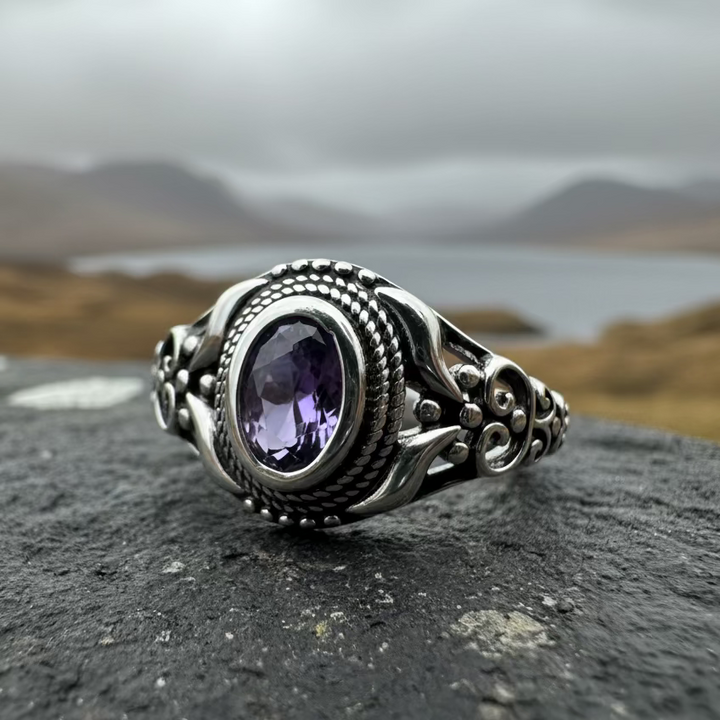
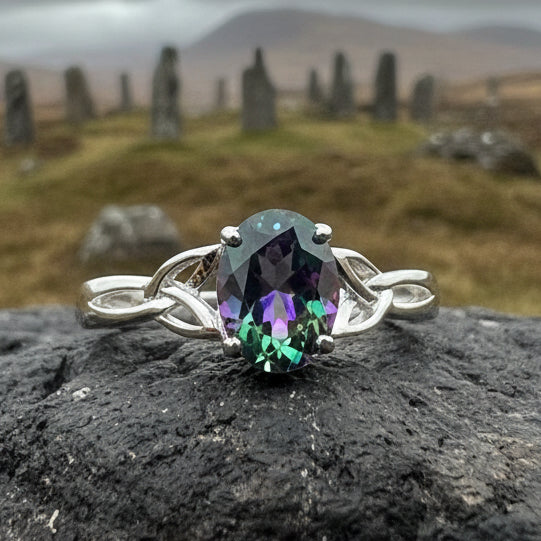
Scottish Twilight Celtic Ring in Sterling Silver
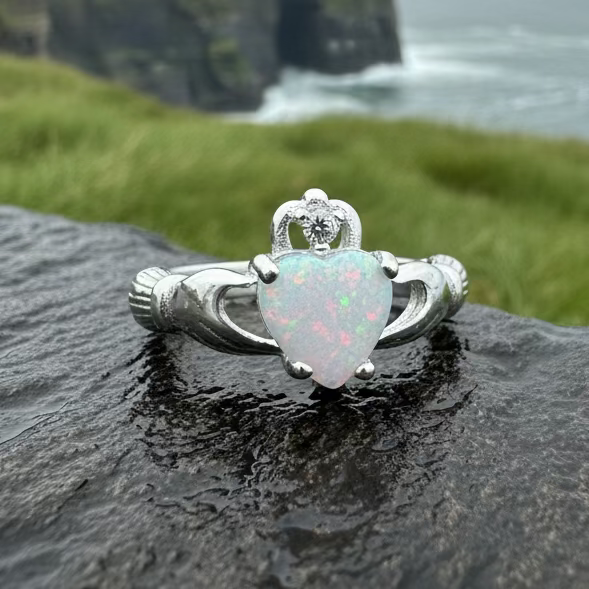
White Fire Opal Irish Claddagh Ring in Sterling Silver
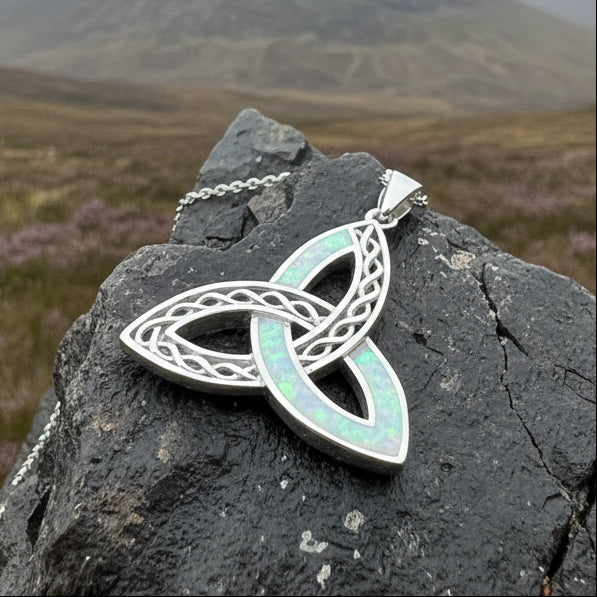
Fire Opal Celtic Knot Necklace in Sterling Silver
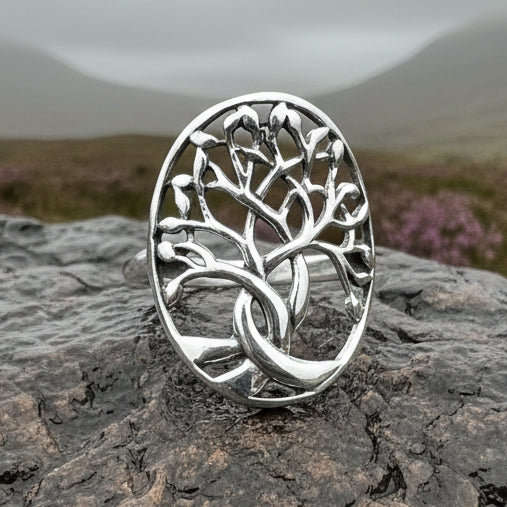
Rona Celtic Tree of Life Ring in Sterling Silver
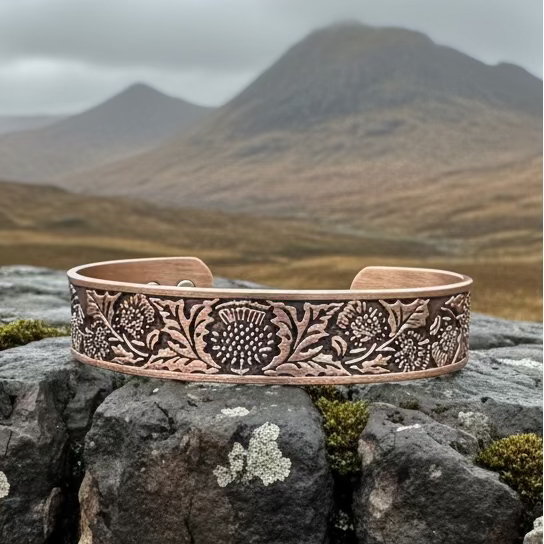
Scottish Thistle Copper Cuff Bracelet

Irish Saint Brigid Cross Necklace - Handmade in Ireland